Reflect (How have I been benefiting from these systems? How am I upholding them?)
Disrupt the system in action everywhere you can
Celebrate Indigenous Peoples and support their initiatives (Land Back, Language Back, Matriarchy Back, Ceremonies Back, Culture Back, etc.)
There have been countless reports written with numerous recommendations for different levels of government, different types of organizations, and everyday people. These reports and recommendations are certainly a great place to start but they are just that. The best thing you can do is build relationships with the Indigenous people in your community and listen to them.
These resources are here for you. More resources will be added periodically. If you don’t see something that relates to the issue you’re looking for, feel free to reach out on the contact page.
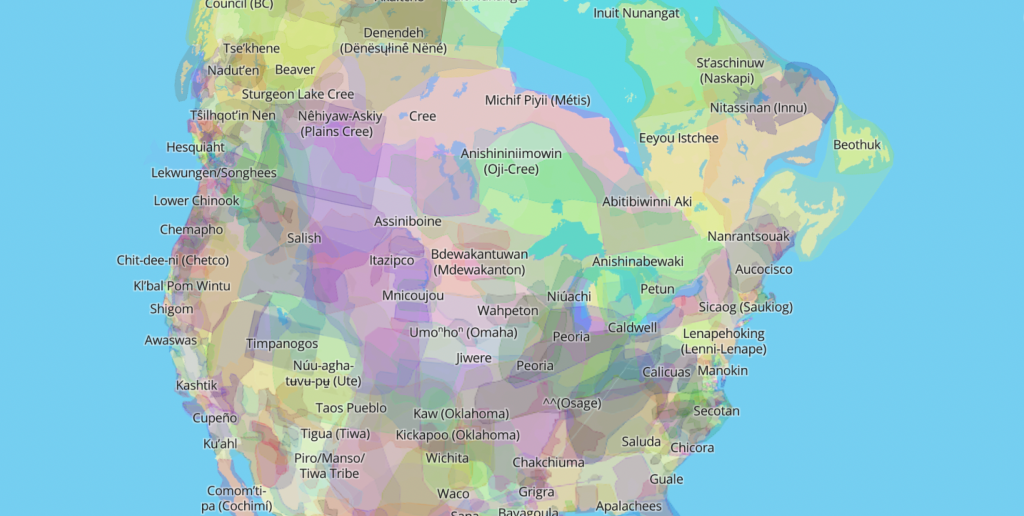
Whose Land Are You On?
Who has been/is being displaced where you live?
Native Land Digital has put together this great resource. Check out their site for more.
Truth & Reconciliation
“Reconciliation is about forging and maintaining respectful relationships. There are no shortcuts.” –Justice Murray Sinclair
Many people are focused on Reconciliation, without paying (enough) attention to the Truth. Many businesses want to be recognized for their reconciliation efforts, even though, many are only symbolic. It’s certainly not wrong to say that these atrocities occurred in the past; but to deny that they are still happening, is to be part of the ongoing colonial project and contribute to the erasure of Truth.
This systemic review involves the Thunder Bay Police Service and events that occurred in Thunder Bay. The OIPRD respectfully acknowledges that Thunder Bay is located on the traditional lands of the Fort William First Nation within the Robinson Superior Treaty, and is the traditional territory of the Anishnaabeg and the Métis.
“More than 1,000 Indigenous women and girls were killed or went missing between 1980 and 2012, according to the RCMP, but experts believe the true number is closer to 4,000, according to the Native Women’s Association of Canada (NWAC).” –CTV News
“Reclaiming Power and Place: The Final Report of the National Inquiry into Missing and Murdered Indigenous Women and Girls” concluded in 2019.
Many Indigenous youth are working hard in various capacities to improve things.
Feathers of Hope is an Indigenous youth-led charitable organization. They are committed to mobilizing the energies and passions of Indigenous young people to create collaborative partnerships that ensure that Indigenous young people take a leading role in building healthier and safer communities.
Feathers of Hope represents some Indigenous youth who have been working on these issues and providing roadmap(s) to justice in the form of recommendations.
Oshdeebeganwin (Oshdee – cross your heart – X, began-win – written agreement) was an event focused on the Anishnaabe perspective of the treaties, specifically the Robinson-Superior Treaty of 1850 and featured talks by three local experts:
Michele Solomon, who was, at that time, member and elected Councillor of Fort William First Nation. (She is now the Chief). She shares how the treaty has affected Fort William First Nation, then and now.
Gene Nowegejick, of Gull Bay First Nation, represents a direct link to the treaty of this area. His great, great grandfather is one of the signatories of the Robinson-Superior Treaty of 1850. He shares about his family’s experience.
Nicole Richmond, lawyer and wellness consultant from Biigtigong Nishnaabeg. She shares an overview of Anishnaabe law as it pertains to treaties. This presentation took place at the Thunder Bay Art Gallery on July 14, 2022.
Care & Responsibilities in Sponsorship Relationships
Corporations aren’t giving money out of kindness. It’s about return on investment. This relationship which provides “positive brand recognition” is a form of whitewashing, redwashing, & greenwashing. Recipients of funds may not be aware that they’re doing this work. This presentation focuses on 2 of Canada’s Big 5 (worst banks in terms of respecting Indigenous Sovereignty and financing climate chaos). RBC is the worst of these big 5, being the #1 global fossil fuel financier of 2022. In this presentation, Cynthia has included some suggestions for everyday Canadians to be part of the solution.